GEOTECHNICAL ENGINEERING
HAMPTON VIRGINIA
HomeGround improvementVibrocompaction design

Vibrocompaction Design in Hampton, VA: Getting the Ground Right Before You Build

Rigorous testing. Clear reporting.

LEARN MORE

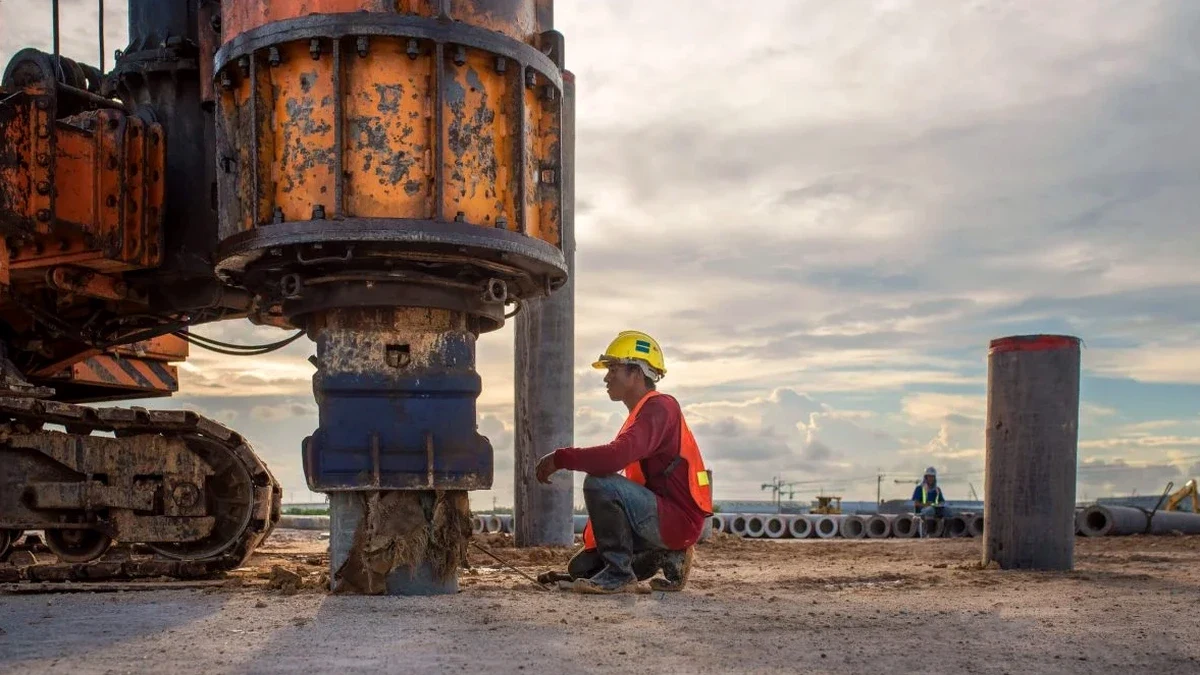
You know the call. The site was fine during the dry summer, but come fall, after a few nor'easters, the foundation pads start showing differential settlement. In Hampton, where much of the buildable land sits on loose, hydraulically placed sands from the 20th century, skipping a proper vibrocompaction design isn't just risky—it's a guaranteed warranty claim. The city's position at the mouth of the James River, barely 10 feet above sea level on average, means the water table is practically at the surface year-round. Contractors who just bring in a vibrator and hope for the best end up with inconsistent density and a lot of explaining to do. Our team has seen it too many times. We deliver a sequence of in-situ testing and compaction design that turns that unpredictable sandy fill into a competent bearing stratum, giving you numbers from an SPT drilling program to back up your subgrade acceptance.

A well-designed vibrocompaction program can take a site from an SPT N-value of 8 to over 25 in a single shift—density verification is the only way to prove it.
Our service areas

Our approach and scope

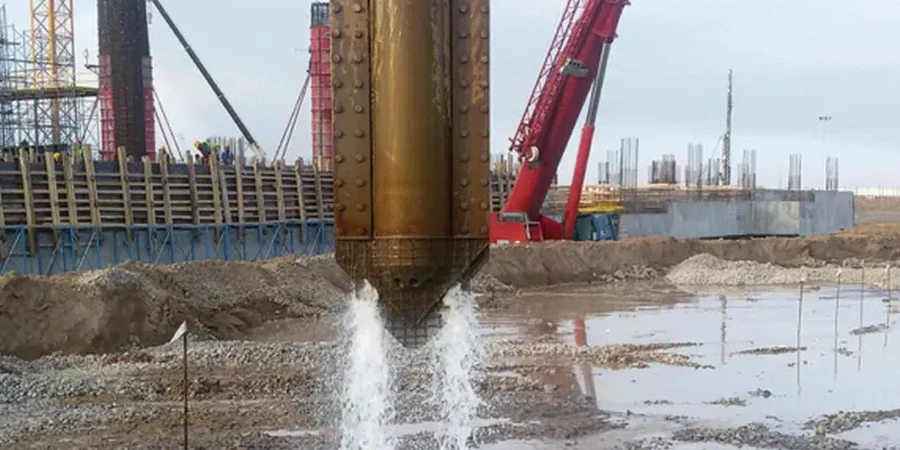
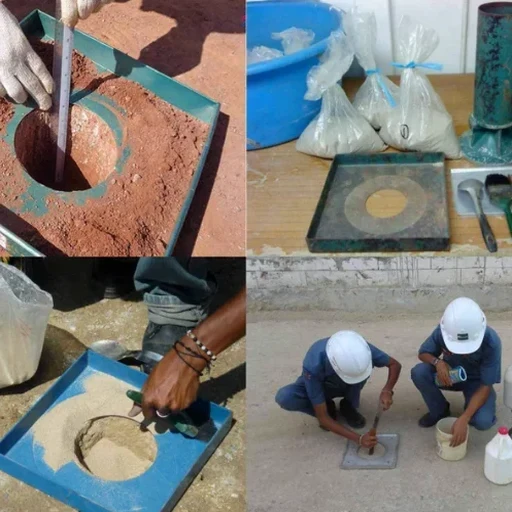
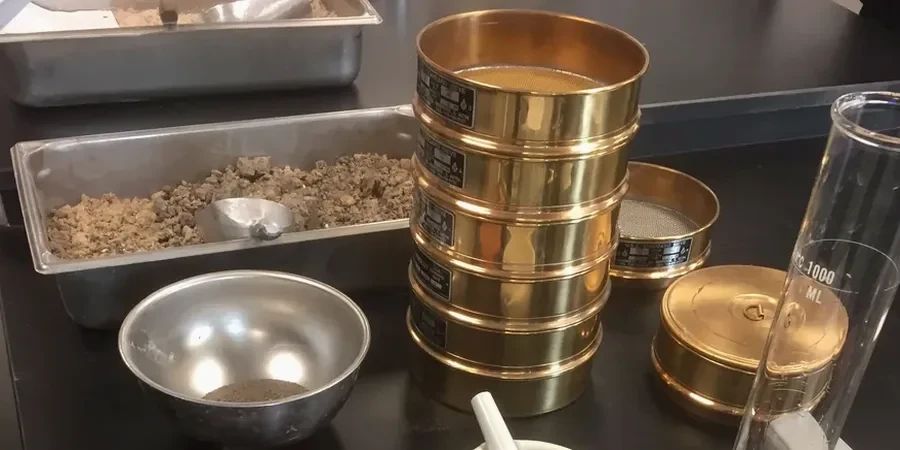
The humidity down here isn't just uncomfortable—it changes how granular soils respond to vibration. In Hampton's subtropical climate, the moisture content in the upper 15 feet of sand can swing from 5% to 25% between August and February. That directly affects the probe's amperage draw and the achievable relative density during vibroflotation. We don't design in a vacuum. Our approach starts with a detailed grain-size analysis per ASTM D2487 to confirm the fines content is below the 12% threshold where vibro methods stop being efficient. From there, we specify a triangular grid pattern, typically 6 to 10 feet on center, adjusted for the specific effective grain size of your site. The Cone Penetration Test gives us a continuous profile of tip resistance before and after compaction, so you're not guessing whether the treatment reached the target depth of 30 feet. That kind of verification is what separates a defensible ground improvement report from a hand-wavy letter that the building official will reject outright.
Vibrocompaction Design in Hampton, VA: Getting the Ground Right Before You Build
Technical reference — Hampton Virginia

Site-specific factors

The IBC Chapter 18, adopted by the City of Hampton, is unambiguous: fill soils supporting foundations must be compacted to a specified density. When you're dealing with the loose, alluvial sands common in the Coliseum Central and Phoebus redevelopment zones, a simple proctor on a drive tube sample won't cut it. The real danger is a phenomenon called 'aging settlement'—sand that appears stable after initial compaction but densifies over years under fluctuating groundwater, a condition made worse by Hampton's tidal influence pushing the water table up and down twice a day. We've reviewed forensic files where the client saved a few thousand dollars on the front end by skipping a proper vibro design, only to pay $80,000 in underpinning costs three years later. For sites within the Chesapeake Bay Preservation Area overlay, a clean, non-invasive method like vibrocompaction also keeps you clear of sediment runoff violations that come with excavation-heavy alternatives.

Need a geotechnical assessment?

Reply within 24h.

Email: contact@geotechnical-engineering.vip

Regulatory framework

ASTM D1586 – Standard Penetration Test, ASTM D2487 – Soil Classification, ASCE 7-22 – Minimum Design Loads, IBC 2021 – Chapter 18

Reference parameters

ParameterTypical value
Typical Treatment Depth in Hampton20 to 35 ft below grade
Applicable Soil Types (ASTM D2487)SP, SP-SM with fines < 12%
Pre-treatment SPT N-value Range4 to 15 blows/ft
Post-treatment Target Relative Density70% to 85% per ASTM D4254
Typical Triangular Grid Spacing6 to 10 ft on center
Verification MethodPre- and post-CPT or SPT comparison
Applicable IBC SectionChapter 18: Soils and Foundations

Common questions

At what depth does vibrocompaction stop being effective in Hampton's geology?

For the typical fine-to-medium sands in Hampton, we see reliable improvement down to about 35 feet below existing grade. Beyond that, the overburden pressure reduces the vibrator's ability to rearrange the grains radially. For deeper treatment, we'll often recommend a combined approach with vibro for the upper zone and a different technique for the deeper material, but most commercial projects in the city only need the top 25 feet densified to meet bearing requirements.

What's the cost range for a vibrocompaction design and verification package?

For a typical commercial lot in Hampton up to about half an acre, the design, pre-testing, and post-verification package runs between US$1,410 and US$5,180. The spread accounts for the number of borings required and whether we use CPT, SPT, or both for verification. A larger industrial site will scale up from there, but that range covers the standard scope we see on most retail and office builds.

Can you guarantee the building official will accept the compaction report?

Our reports follow the exact verification protocol laid out in IBC Chapter 18 and include the pre- and post-treatment penetration data the official needs to see. We can't guarantee their decision, but in over a decade of preparing these reports for Hampton projects, we've never had a submission rejected on technical grounds when the treatment met the specified density. We also include the lab's AASHTO accreditation certificate with every report.

Location and service area

We serve projects in Hampton Virginia and surrounding areas.

View larger map