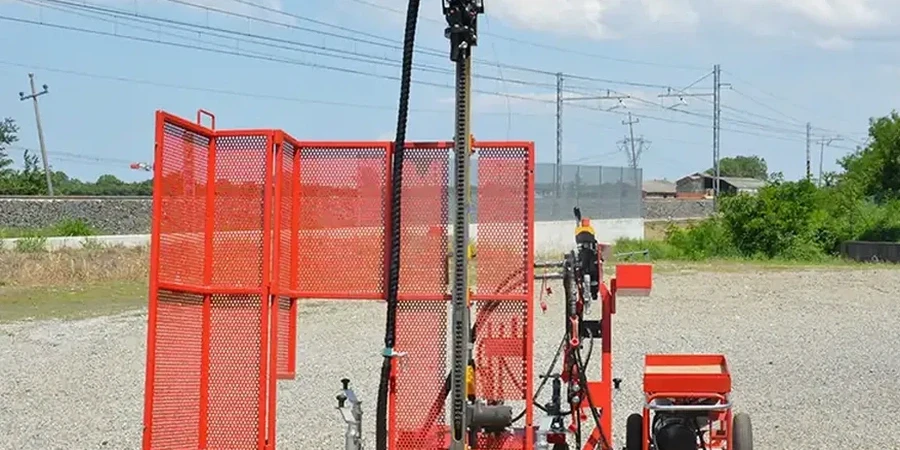
The tidal creeks and low-lying topography of Hampton, Virginia create a subsurface environment where loose sands, soft silts, and organic clays interleave in patterns that shift dramatically within a single lot. With an average elevation barely 10 feet above sea level and groundwater commonly within 4 to 6 feet of the surface, the Standard Penetration Test becomes the first line of defense against differential settlement. Our team runs SPT borings throughout Hampton—from the historic residential blocks near Buckroe Beach to the redevelopment parcels downtown—capturing blow counts that reveal exactly where bearing capacity drops off. Because the Virginia Coastal Plain geology includes the Yorktown Formation and younger Quaternary deposits, interpreting N-values correctly means understanding both regional stratigraphy and local groundwater behavior. For sites where refuse fill or old marsh deposits complicate the picture, we often pair the SPT program with CPT soundings to build a continuous profile of tip resistance alongside the discrete N-values.
In Hampton’s high-water-table environment, uncorrected SPT blow counts can be misleading—applying overburden and energy corrections is what separates a safe foundation from a settlement claim.