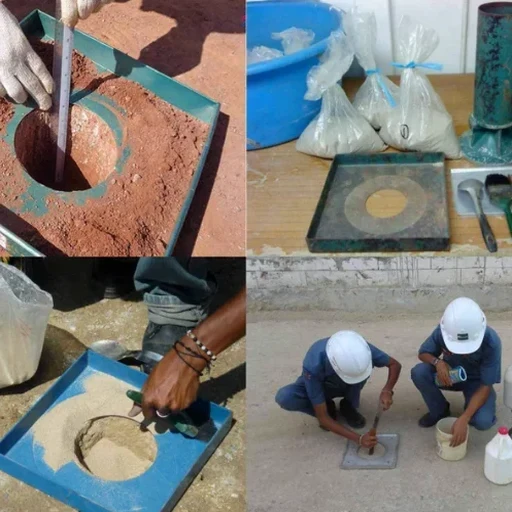
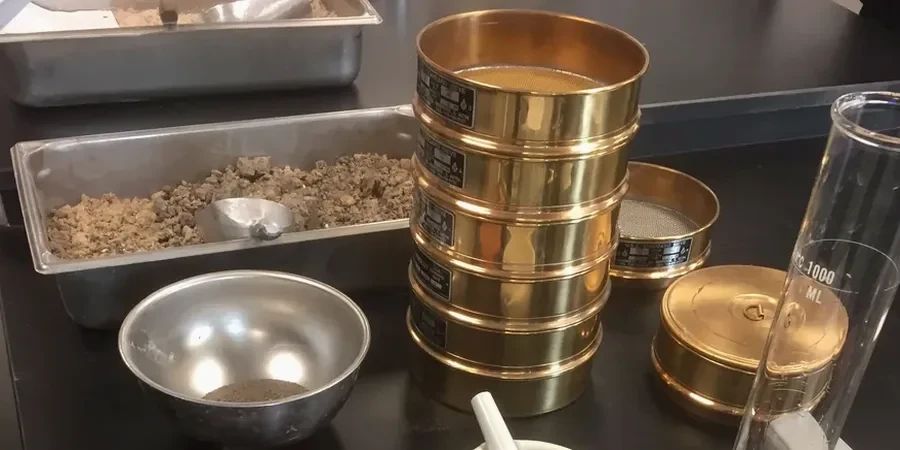
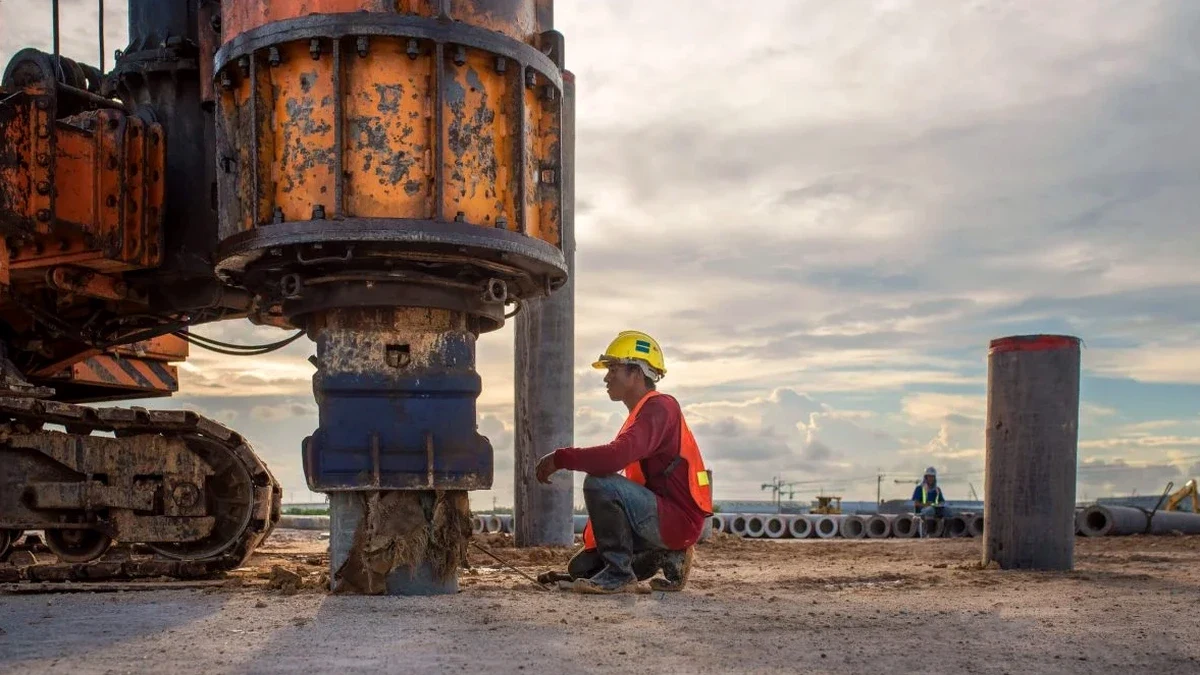
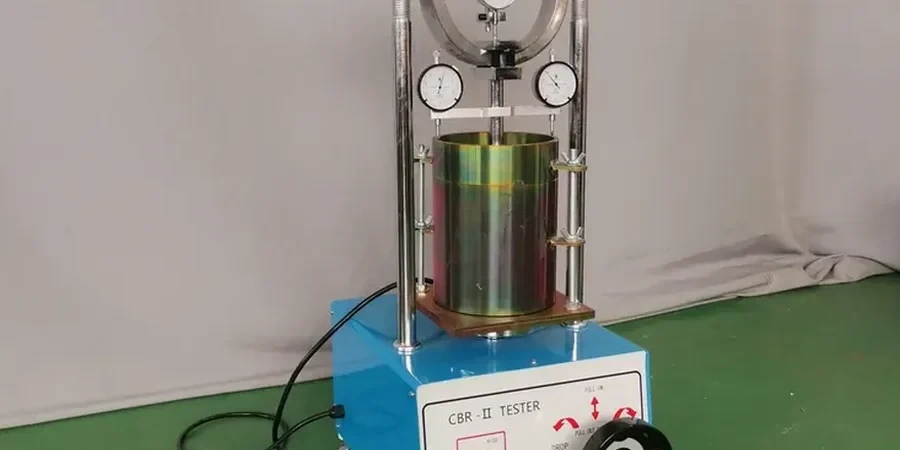
From the sandy loam near Buckroe Beach to the clay-rich soils closer to the Hampton Coliseum, ground conditions across Hampton change faster than a Chesapeake Bay tide. A pavement section that performs well on Mercury Boulevard might fail prematurely just a few miles west if the subgrade strength wasn't verified with a laboratory CBR test. The local geology here is shaped by ancient marine terraces and estuarine deposits, meaning organic silts and loose sands are common surprises during excavation. We run each laboratory CBR test under controlled moisture and density conditions so contractors get a design value they can trust, not just a number on a report. Before finalizing a pavement thickness design, many engineers pair our lab soak with field data from a plate load test to confirm how the compacted layer actually responds under load. That combination catches problems before the asphalt goes down.
A soaked CBR value below 3 in Hampton's marine clays means you're looking at a full-depth reclamation or a geogrid solution, no way around it.