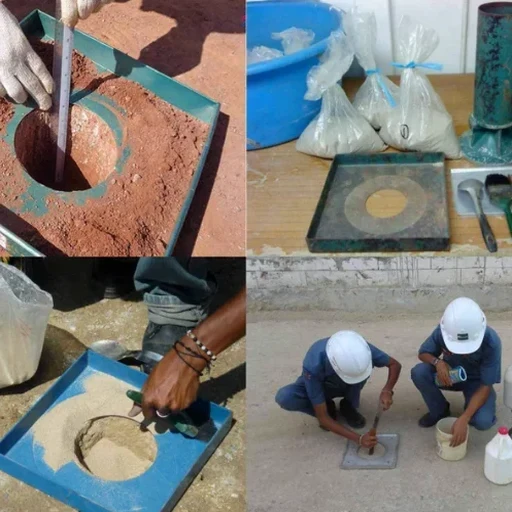
A few years back, we were called out to a commercial project off West Mercury Boulevard where a new parking lot was showing cracks within six months of placement. The subgrade was a silty clay that looked firm during dry weather but turned into a pumping mess after a single nor'easter. That’s the reality of building on the Coastal Plain—what drains well in August can become completely saturated by October. In Hampton, effective rigid pavement design starts with a geotechnical investigation that goes deeper than the topsoil, looking at the shrink-swell potential of the Yorktown Formation sediments and the depth to the seasonal high water table. We integrate our CBR testing directly into the pavement section analysis to ensure the concrete slab can handle the traffic loads without differential settlement.
In Hampton, the biggest threat to a concrete pavement isn’t the traffic—it’s the water trapped beneath it.